Hi, I’m Margaret.
I'm a UX Design leader who helps retailers move into new territory—whether that's introducing new technology, bridging physical and digital experiences, or operationalizing something that's never been done before—without losing sight of what the customer actually needs.
I lead by making hard problems feel solvable, building the cross-functional relationships that get design to the strategy table, and giving my team the context and coaching they need to own the work and deliver experiences that result in meaningful business impact.

What I’m known for
Driving Omnichannel Innovation
Connecting two companies' experiences into a seamless customer journey requires knowing which integrations serve the customer and which just serve the business. As the UX design lead on the Amazon–Whole Foods post-acquisition integration team, I navigated that tension across Prime, Just Walk Out, Amazon One, and supply chain systems—bridging physical retail and digital ecosystems while elevating UX practice within a company still building its UX design muscle.
Designing Next-Generation Physical Retail Experiences
When physical retail experiences depend on technology customers have no mental model for, the design challenge is making the unfamiliar feel intuitive—at scale, across dozens of configurations, and without a playbook. I led service design across Amazon's emerging store formats, taking experiences from zero to one and building the systems that made them scalable—from RFID-powered concert merchandise stores to a critical customer experience framework deployed across every Just Walk Out configuration.
Designing Commerce Ecosystems at Scale
Owning the shopping experience for a portfolio of beloved consumer brands—from homepage to checkout, across Amazon's highest-traffic retail surfaces—means design has to meet customer needs and drive business metrics at the same time. I lead that work for Amazon Devices—owning the global shopping experience for a 400+ person organization supporting Alexa, Kindle, Fire TV, Ring, and more, shaping roadmap priorities and influencing the executive investment decisions that determine what gets built and why.
Positioning Design as a Strategic Business Function
The difference between a design team that executes and one that leads is organizational—it's about how the team is positioned, resourced, and connected to the decisions that matter. I build and develop teams that operate as strategic partners to product, engineering, and marketing, and I've done that work at Amazon through team rebuilding, stretch hires, designer development, an AI-ready design system that force-multiplies design output, and contributing to the hiring and calibration standards that shape design talent across the company.
Case Studies
-
![]()
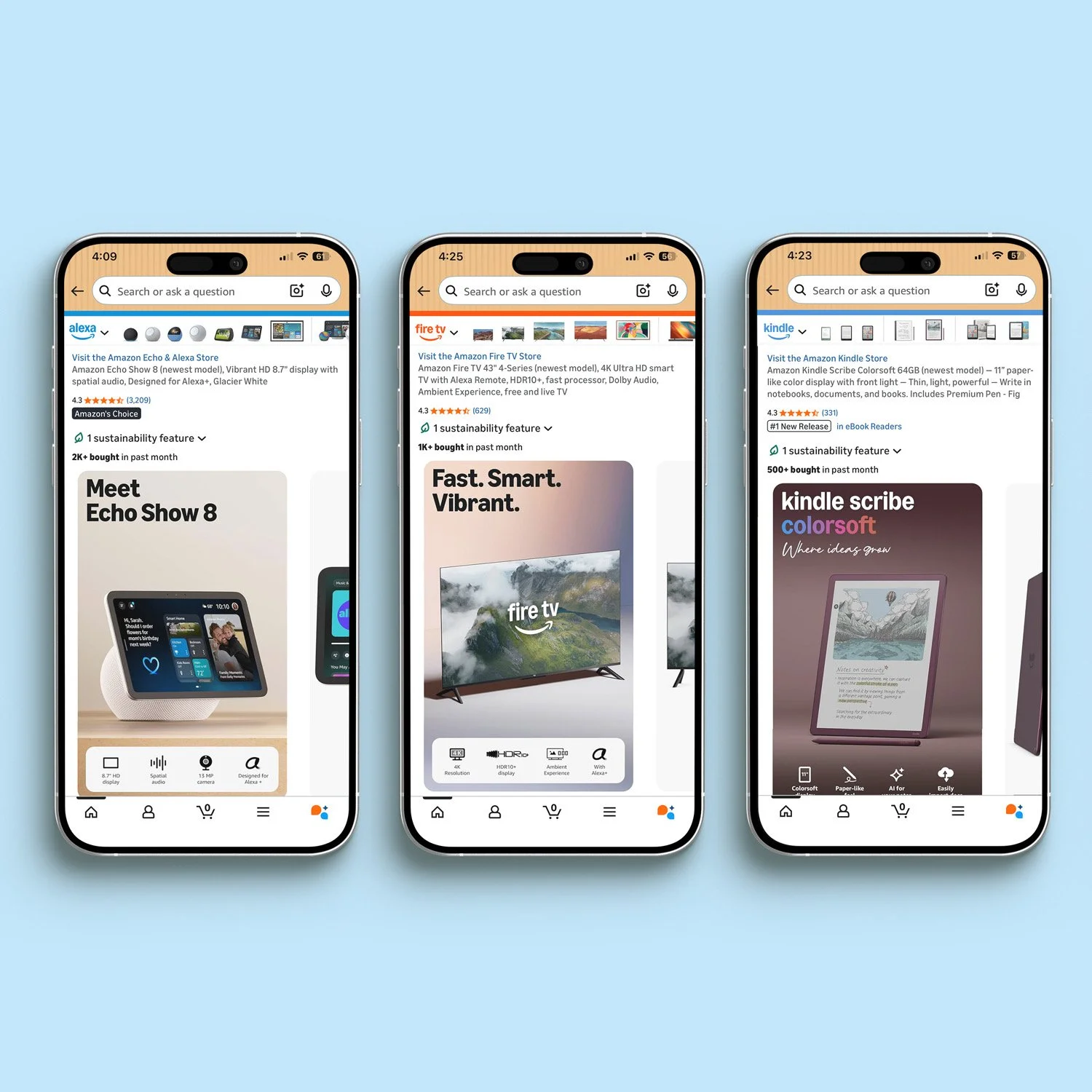
Amazon Devices Product Pages Re-envisioned
Redesigned the most important transactional surface for Amazon Devices, simplifying a feature-heavy detail page around a single customer job—launching 14 improvements that drove 1.5M incremental unit sales and a 9-figure revenue lift.
-
![]()
Amazon Devices Brand Sites
Built brand storefronts for Alexa, Kindle, and Fire TV from scratch inside Amazon.com—creating the first destination where customers could discover an entire product portfolio and engage with a brand story, not just a single product—driving 36.6M sessions in the first 6 months and a 9.1% conversion rate increase among customers who engaged with both storefront and detail page.
-
![]()
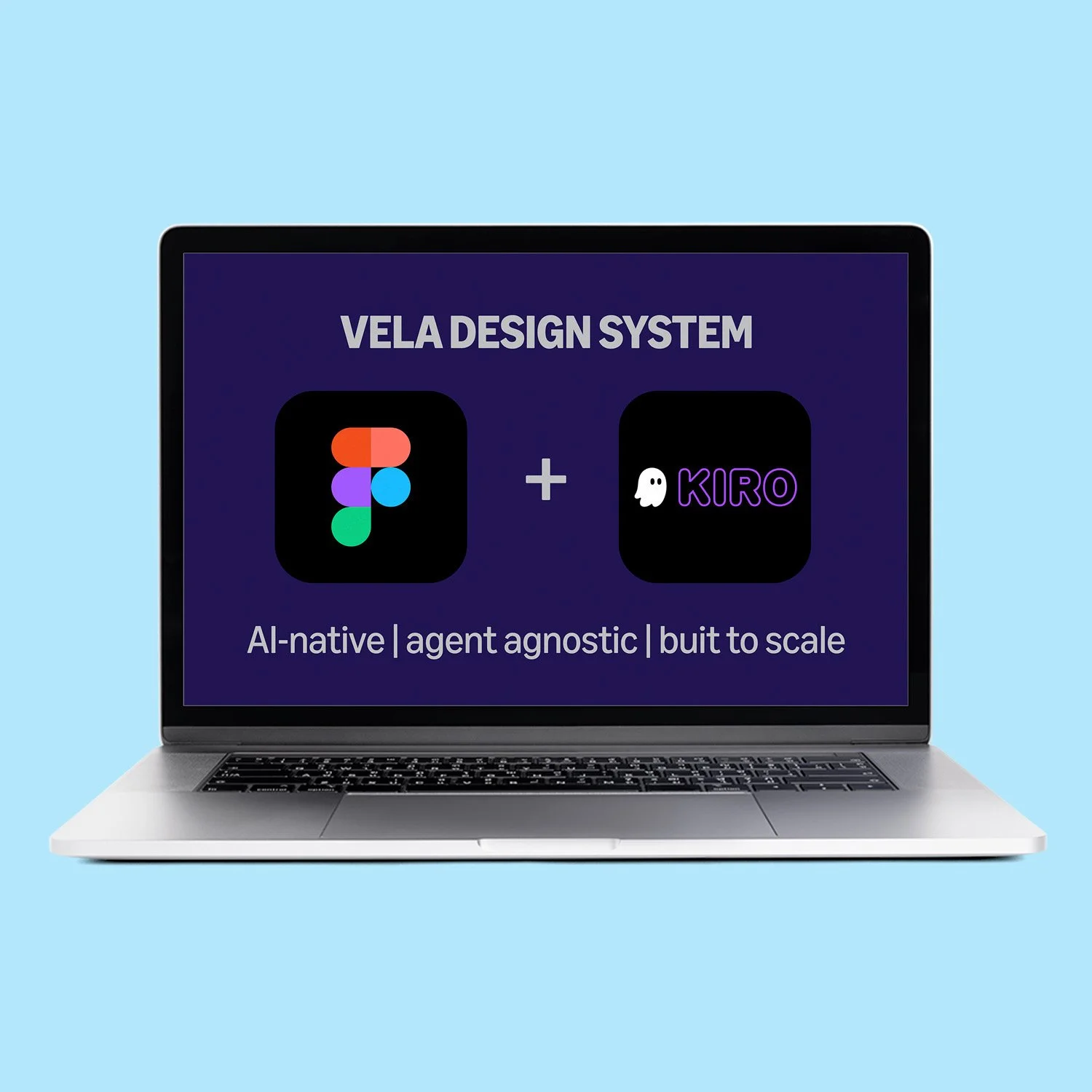
VELA AI-Ready Design System
Proposed, resourced, and launched an AI-ready design system that enabled agentic AI workflows across Amazon Devices—turning a VP-level aspiration without a plan or resources into a force multiplier for design, engineering, and product teams.
-
![]()
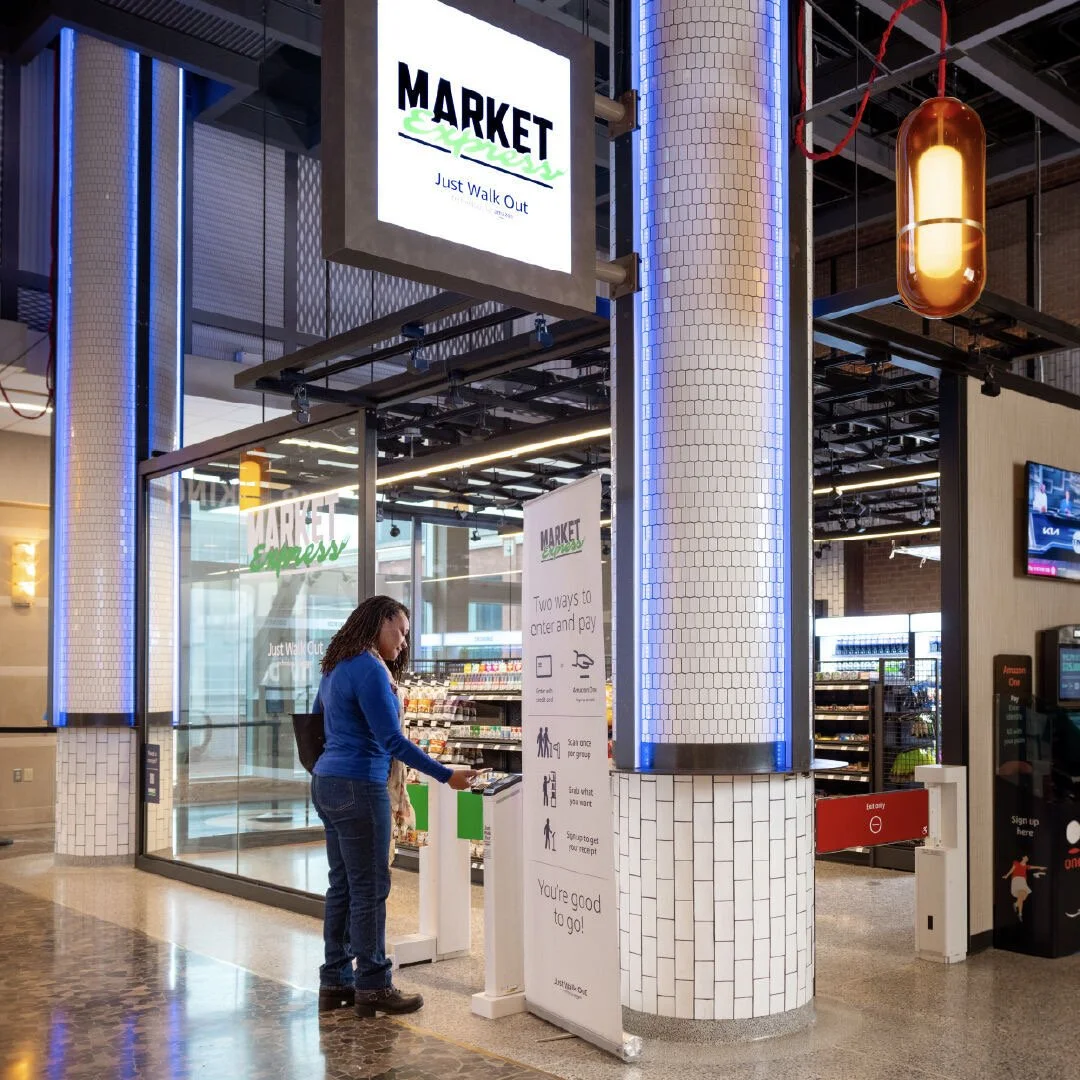
Just Walk Out Technology Communication System
Identified a customer confusion problem that was costing Just Walk Out Technology retail partners—and built a standardized communication system from scratch that gave customers the mental model they needed to walk in, shop, and leave efficiently, securing $1.3M in funding and enabling the go-to-market team to scale new store launches without starting over every time.
-
![]()
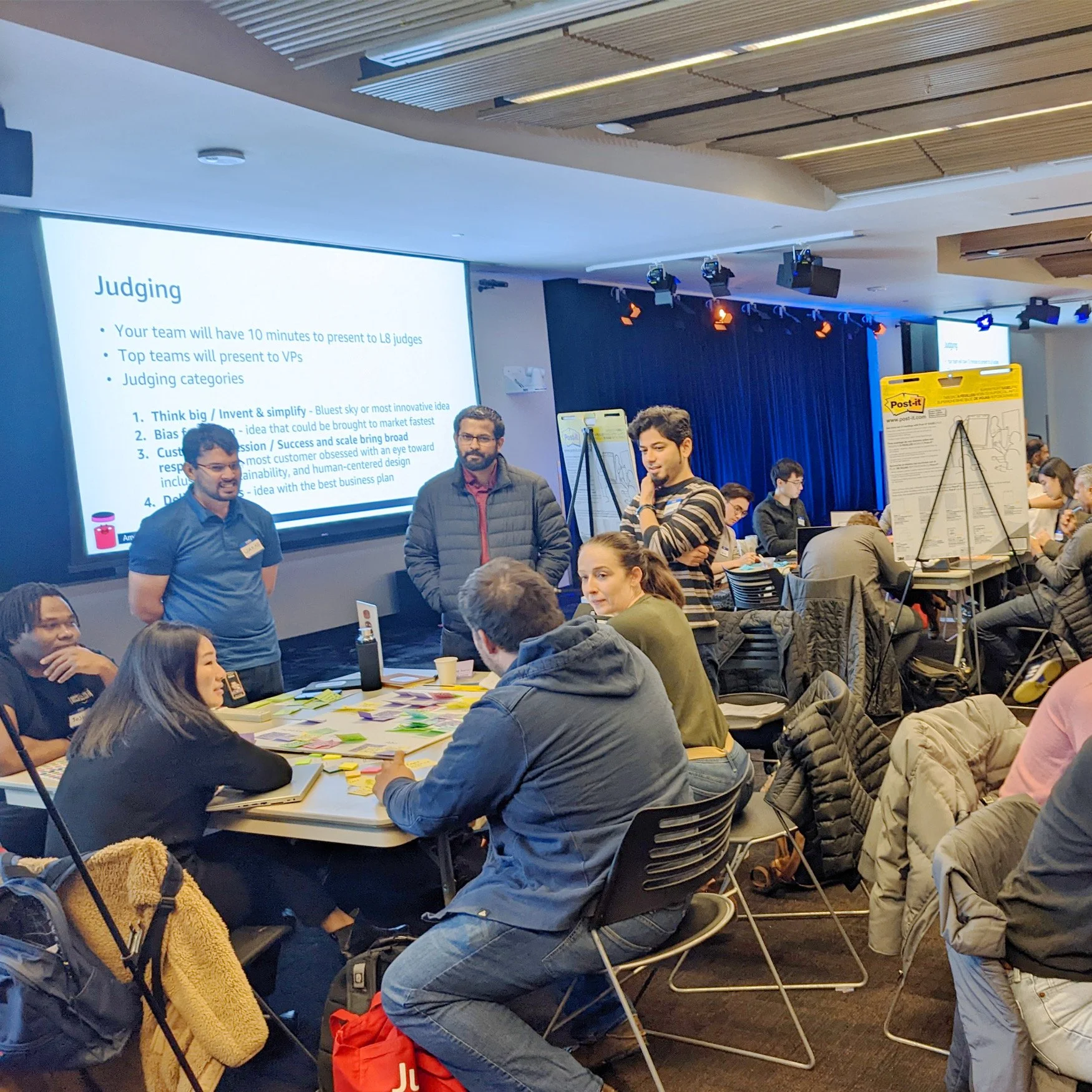
Just Walk Out Technology Design Jam
Designed and facilitated a 125-person cross-functional innovation workshop that generated 15 new business concepts for Just Walk Out Technology—several of which gained traction with leadership and were connected to business development teams for further exploration.